In 2025, I decided it was time to invest in a true hybrid camera. After filming a summer road trip across the US, I wanted a better one-camera solution for photos and videos. While I have loved my trusty Fujifilm X-T4, I knew it was time for a change.
Given that I already had a set of Fujifilm X-series lenses, the most logical choice was to look within their APS-C sensor-size ecosystem. And up until that point, I had been mostly happy with my Fujifilm photography gear, evangelizing the system whenever I had the opportunity.
However, it was also around this time that my faith in the brand began to weaken.
A 6-year frustration with their video auto-focus systems, constant supply problems, R&D time spent on releases of lifestyle and fashion cameras (X half) instead of serious photography gear, along with growing reports of camera quality issues, left me feeling uncertain about spending more money on another new Fujifilm X camera.
So, I hesitantly decided to purchase their flagship at the time, the Fujifilm X-H2. I am a photography-first shooter, so this made more sense than the X-H2S, which is more video-focused. All that said, two thousand US dollars is a fair amount of money to spend on anything. And though I have loved Fuji, I also have to acknowledge that the autofocus problems on all their cameras were a real letdown. In addition, I have always felt their cameras were subpar in manufacturing quality compared to brands like Nikon, Canon, and Sony. And, there was a significant part of me that wanted a camera that felt more physically confidence-inspiring. For those reasons, I was beginning to seriously consider changing brands.
So, when I bought the X-H2, I told myself this:
For me, the X-H2 will either mark the beginning of a new era of investment in Fujifilm gear or the end.
Read on, and you shall discover the outcome.
Disclaimer
First, I’d like to say that this is just my personal opinion and experience. There are plenty of people who will buy this camera and absolutely love it, and that’s great.
Second, as a travel enthusiast and camera enthusiast, I just want to reiterate my love of Japan, the Japanese people, and the hard-working folks who make the tools (cameras) that have enabled my photographic journey.
I do have some positive things to say about this camera. Unfortunately, I have more very negative things to say about it. I doubt anyone from the Fujifilm imaging division will ever read this. But if they did, I would want them to know how much I appreciate their hard work. No camera is perfect. Every single one is designed with limitations and compromises. In my view, the failings of this camera look like failings of leadership, not a lack of effort from the individual contributors who designed it.
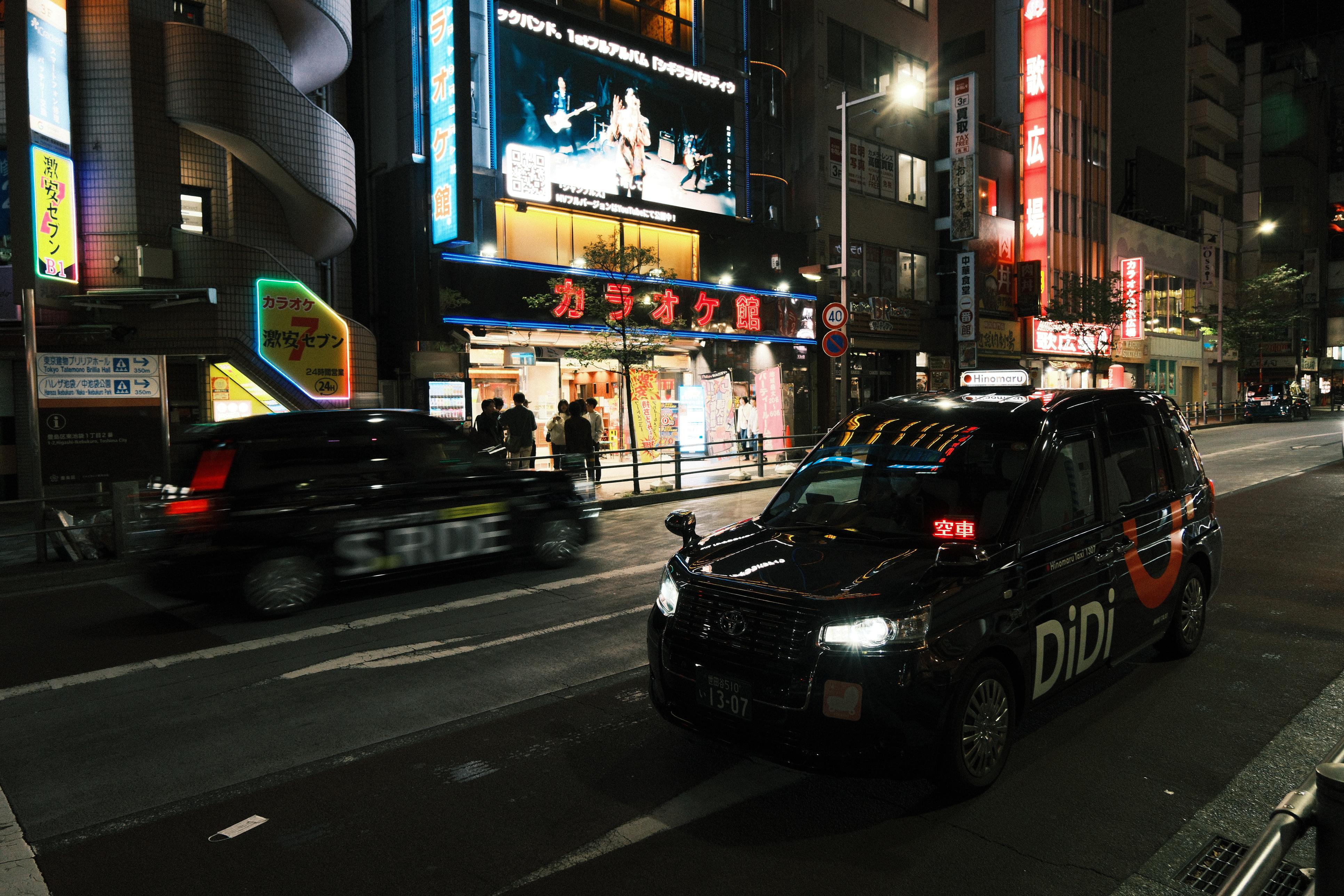
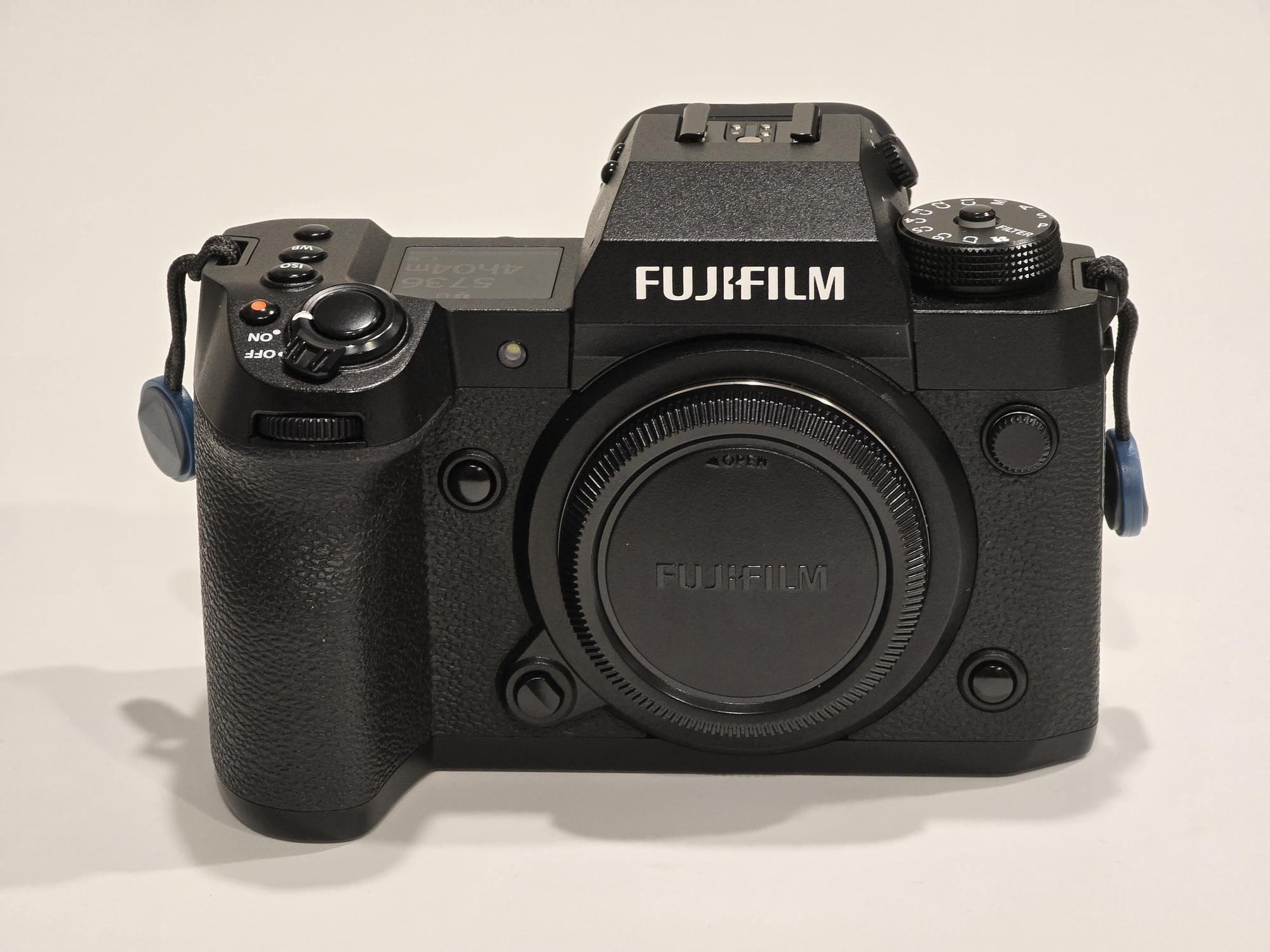
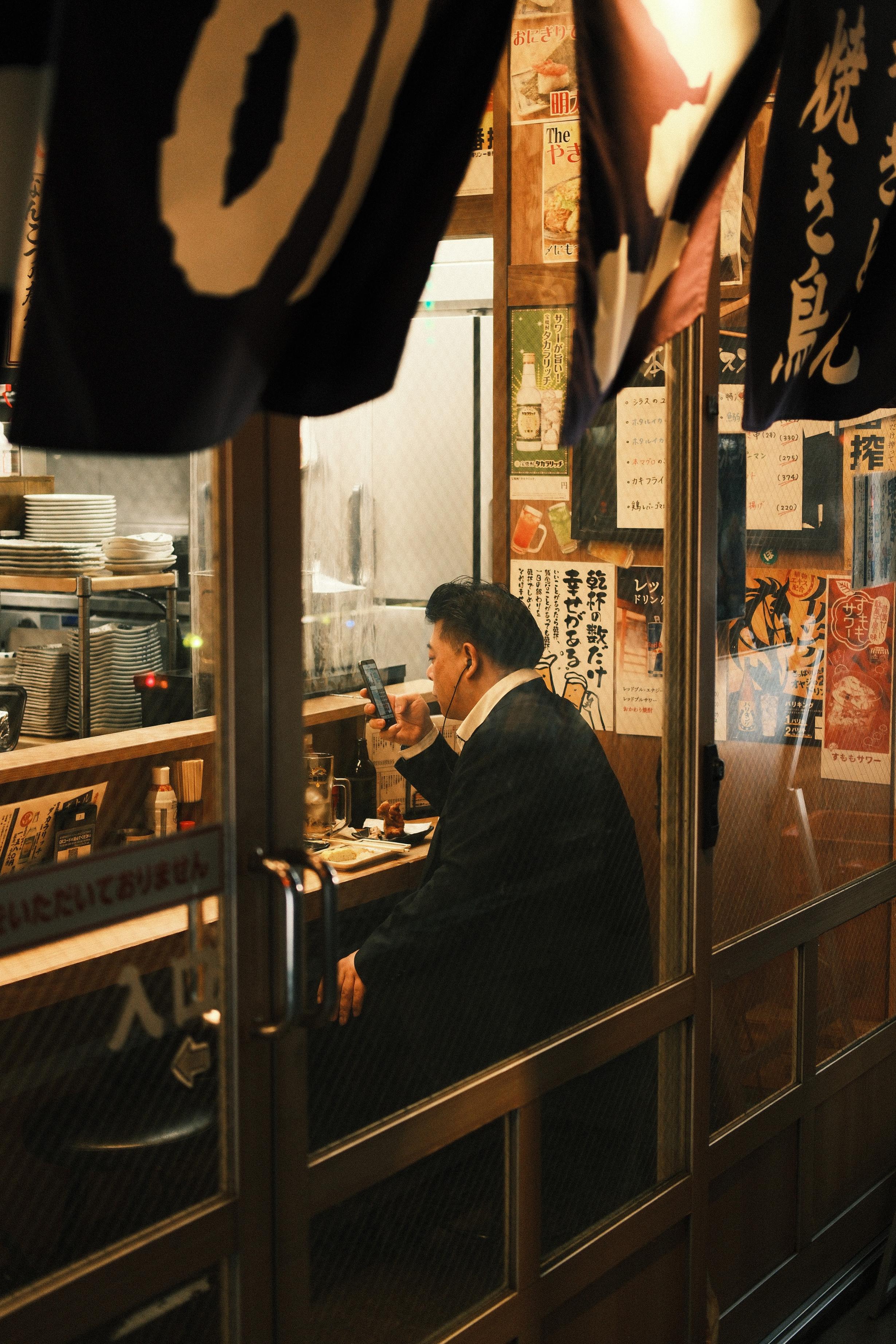
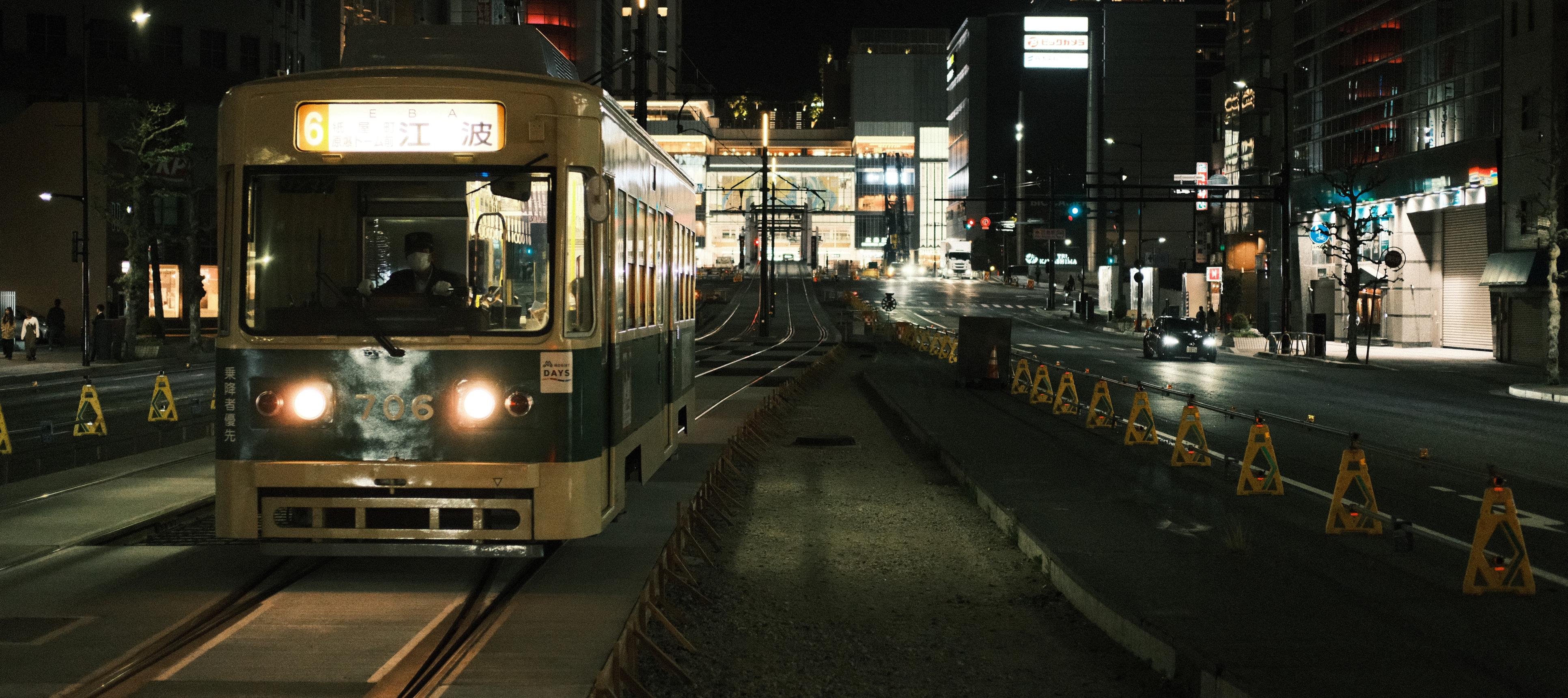
All photos in this article were shot with the X-H2, except the photos of the camera itself.
The Perfect Hybrid Travel Camera
On paper, the X-H2 was a perfect camera for me. And within the first few days of owning it, I found that I loved the images and classic Fuji rendering. What they have done with this sensor in terms of resolution, dynamic range, colors, grain, etc., is all absolutely incredible. And I think the image quality is something Fujifilm doesn’t get recognized enough for. In fact, it is so good that I have no complaints about it. The photos and videos that come out of the X-H2 are absolutely beautiful and stunning.
When I opened the box, it truly felt like a special Fujifilm camera. The buttons felt high quality. The rubber grip material was stickier and more reassuring than the grips on my X-T4. The EVF looked great.
The custom mode dial is awesome. Sure, the PASM method of camera interaction isn’t classically Fujifilm, but it is practical. And being able to swap the entire camera’s settings in less than a second with a single dial turn is incredibly fast and useful. C1 through C7 are also a lot of custom settings. More than most cameras offer, and that is well-appreciated.
In my view, it is a true hybrid camera. Switching from photos to videos to custom profiles of all kinds is easy and fast.
As anyone who has used a non-hybrid camera knows, changing between video and photo requires a lot of specific settings changes that can become quite cumbersome.
The X-H2 handles this well.
I quite enjoyed the deep grip and solid feel of the camera.
The exterior material choices feel pretty decent.
And, that’s where the good ends.
I spent my Christmas vacation learning about the camera, getting my custom settings dialed in, and generally enjoying my first sessions shooting with it. Over the remaining months, I enjoyed the output and grew to appreciate some of the unique aspects of their flagship hybrid.
This, however, is where the good times ended.
The Reality of Day-to-Day Use
On paper, the Fujifilm X-H2 is a well-equipped and competent hybrid camera. Unfortunately, it falls short in dozens of small ways, making it utterly frustrating and unusable for me as my main camera.
Over the last year and a half, I have found myself disliking it more and more, with every new photography and video session leaving a slightly more bitter taste in my mouth.
I have been on planet Earth for 42 years. For 26 of those years, I have been a photography enthusiast. I have used, loved, and felt indifferent about dozens of cameras. This is the first camera I have come to absolutely loathe.
Things I REALLY dislike about the X-H2…
Command Dial Hell
Having shot with command dials (front and back) as the primary camera controls on Nikon, Canon, and Sony cameras, I cannot for the life of me understand what Fujifilm was thinking with their implementation of these controls on the X-H2.
Out of the box, the dials change their behavior depending on whether you are in manual, aperture-priority, or shutter-priority modes. The front command dial adjusts aperture in ‘A’ priority, and the front dial also adjusts shutter speed in ‘S’ priority. In manual mode, the front dial controls the aperture, and the rear dial controls the shutter speed. Also, they are configurable and customizable. The dials can also be used for exposure compensation and ISO.
This means, by default, whether you are in A, S, P, M, or C1–C7, the purpose of the dials is constantly changing. It’s a maddening design choice because it means you can’t build any muscle memory with the camera. I spent hours digging through the manual, forums, and talking to AI to get the rear dial to always be shutter speed in every mode. And even then, it still never quite worked the way I wanted; it was an utter waste of time.
While I appreciate that they wanted to make these controls customizable (you can, for example, set the rear dial to be ISO), it’s a terrible design and implementation choice. In effect, any dial on the camera can control exposure compensation, ISO, shutter speed, or aperture, depending on the camera’s mode. An impossible combination to remember and use quickly and efficiently.
This might sound like a small gripe, but your muscle memory with a camera is extremely important for operation. I don’t expect them to design their camera the same way every other manufacturer does, but I do expect them to follow their own conventions and build a consistent system.
To rub salt in the wound, they removed the press-in buttons on the command dials… on their most expensive X camera. What?
ISO Controls
Speaking of dials, that brings me to ISO.
To change ISO, you press the ISO button, rotate the rear dial, then press again. The ISO menu that appears during this operation lists them vertically instead of horizontally. It isn’t clear which direction to turn the dial to increase or decrease the ISO value. In guessing, one might expect that turning the rear dial to the right would increase the ISO, since turning it to the right in other modes increases the shutter speed. Nope, it works the opposite way. I mess it up constantly, so eventually I went digging through the menus to see if I could change it. “Fantastic!” I thought. It can be customized. So, I inverted it.
This also reversed the shutter speed behavior, making the shutter speed dial go backward. I gave up. The whole implementation is bad.
Fujifilm, let me hold an ISO button down and rock the dial back with a left-to-right menu that clearly shows me what I am doing, then, when I release it, take me back where I was… shooting. Also, as you adjust the ISO, your exposure meter is hidden. So, you cannot see how your ISO changes are affecting exposure (other than to just watch the image get brighter or darker). I am changing my ISO to alter my exposure. That’s the entire point. Did any actual photographers test this camera before it was released? These are all fixable software issues. There was no reason to reinvent the wheel here—literally.
This might sound like me complaining or just nitpicking. But these are the controls for the exposure triangle: shutter speed, aperture, ISO. This is the technical side of photography. It is almost the entire purpose of a camera. You have to get this right on a professional, flagship camera. I’m sorry, you just do.
Ultimately, I ended up frustrated with my physical interactions with the camera, preferring the X-T4 setup, where the top dials can be set for photography, and the two command dials can be used for video-only modes. It’s cleaner, simpler, and consistent. That’s pretty sad given that the X-H2 has all the potential to be far more usable for hybrid shooting. But in practice, it is worse in almost every way.
Nested Upon Nested Menus
I have never used a camera with great menus or a fantastic UI. Some are better than others. Nikon and Canon do pretty well overall. The X-H2 is the worst offender in this regard of any Fujifilm camera I have used (X-T1, X-T2, X-E2, X-E3, X-T4, X-H2). I won’t spend much time on this except to say there are too many options, too many customizations, and no way to know what the items are or what they affect. Yes, you can read the manual. I am an adult with a life. I do not have time to memorize the manual. I can look stuff up in the manual, and I do. If referencing the manufacturer’s documentation occasionally and regular use of the camera for 18 months doesn’t get me to a usable place, it’s a bad system.
My worst gripe about the menu system is that they provide you with a location to name your custom profiles. “Landscape”, “Urban”, “Graded”—whatever you want. Then, after you take all the time to name them, they proceed to never show you the names anywhere in the UI except the Q menu. As you change modes, C1-C7 appear on the rear screen, but no custom names are shown. I can see C1-C7 on the top dial; I have absolutely no need for that on the rear LCD. Show me the names you let me set, or don’t bother.
This is a 2-year-old, $2k camera on firmware version 5.0 at the time of this writing. It’s inexcusable.
Autofocus Problems
Autofocus: It never really ends with Fuji.
Face detection and video autofocus are significantly better than in previous camera versions. Unfortunately, the camera suffers from yet more software design failures. Getting the face and eye-detect autofocus to behave the way you want (to detect faces and keep tracking them… seems obvious) involves hours of playing with the combinations of settings in the following menus:
AF Mode
Focus Mode
AF-C Custom Setting
Tracking Speed
Tracking Sensitivity
FACE/EYE DETECTION SETTING
INSTANT AF SETTING
Release Focus Priority
This list should immediately tell you this was not well planned.
After hours of experimenting, manual reading, browsing Reddit threads, and watching YouTube videos, I got a workable combination.
More wasted time. Ship the camera with face-detect defaults that detect and track faces. I’m sure lots of people are happy to customize the autofocus parameters. Most of us want it to work in a basic way without spending hours on that.
Even after all that, I have dozens of ‘face detected’ photos where the camera just focused on something else or the background, the same frustrating behavior I am used to with my other Fuji cameras.
It really is better than it used to be. For photography, most people will never notice, and it will be absolutely fine. For someone who bought the camera for its improved face-detect abilities, it fails too many tests. The dozens of forum posts where people tell you to increase tracking to 2 and reduce sensitivity to 1, and then it works (I just made this up; people say all kinds of things), are not a real solution.
The Final Straw
The breaking point for me happened when I was standing on a street corner in Hiroshima waiting for the right collection of people to enter my scene for the photograph. I stood there for almost 30 minutes, and then it finally happened. I lifted my camera to my face, and… it had gone into sleep mode. Sometimes when you hit the shutter button, it wakes up right away, but usually you have to spam the button for 3 seconds, and then the camera finally wakes up.
When it wakes up, all your settings are lost, and it reverts to the profile defaults.
Why the hell does the camera have a sleep mode if it doesn’t preserve my session settings? If I want to save battery, I’ll just turn the camera off; it’s effectively the same and boots faster. My friend’s Lumix G85 from 10 years ago can resume from sleep correctly.
My exposure and AF settings were all wrong. I missed the shot. That was the end for me.
Build Issues
Finally, the EVF coating on the viewfinder looked to be coming off and flaking away.
$2,000 camera.
My Repair Experience
I also sent this camera in for repair. Some bird poop got into one of the seals, damaging the foam. Fujifilm US received the camera and told me they would either quote me or fix it. Then, 3 weeks went by. I heard nothing from them. They shipped my camera back without repair. They also wiped all my settings with a firmware update that I didn’t ask for.
The camera returned with a “QC” sticker on the bag. Quality Control—what?
This is another inexcusable experience with the brand and camera.
I Sold It
Ultimately, these problems left me in a state where I didn’t want to use the camera. And that is the death knell for any piece of physical equipment. If you don’t want to pick it up and use it, you might as well not own it.
So, I sold it. And I won’t be looking back.
In my view, Fujifilm is interested in selling Instax lifestyle cameras, making medical equipment, and making money. And, from a business perspective, I can’t fault them for any of those things. It’s perfectly logical.
Honestly, the cameras are mostly fine. Not as nice as they were. But I’ve lost faith in the brand and direction. EVF coatings are coming off, lugs are dropping out of the cameras, paint is chipping off, and poor service experiences seem commonplace. I may not be totally done with them, but I see Fujifilm as fun gear now, not serious photography equipment. No more new purchases from Fuji.
I’m not a Fujifilm investor, I’m a photographer. And they seem to have lost their focus on being real players and contributors to the art form of photography. So, for now, I will be taking my business elsewhere.